Ingredients
Instructions
Full Article
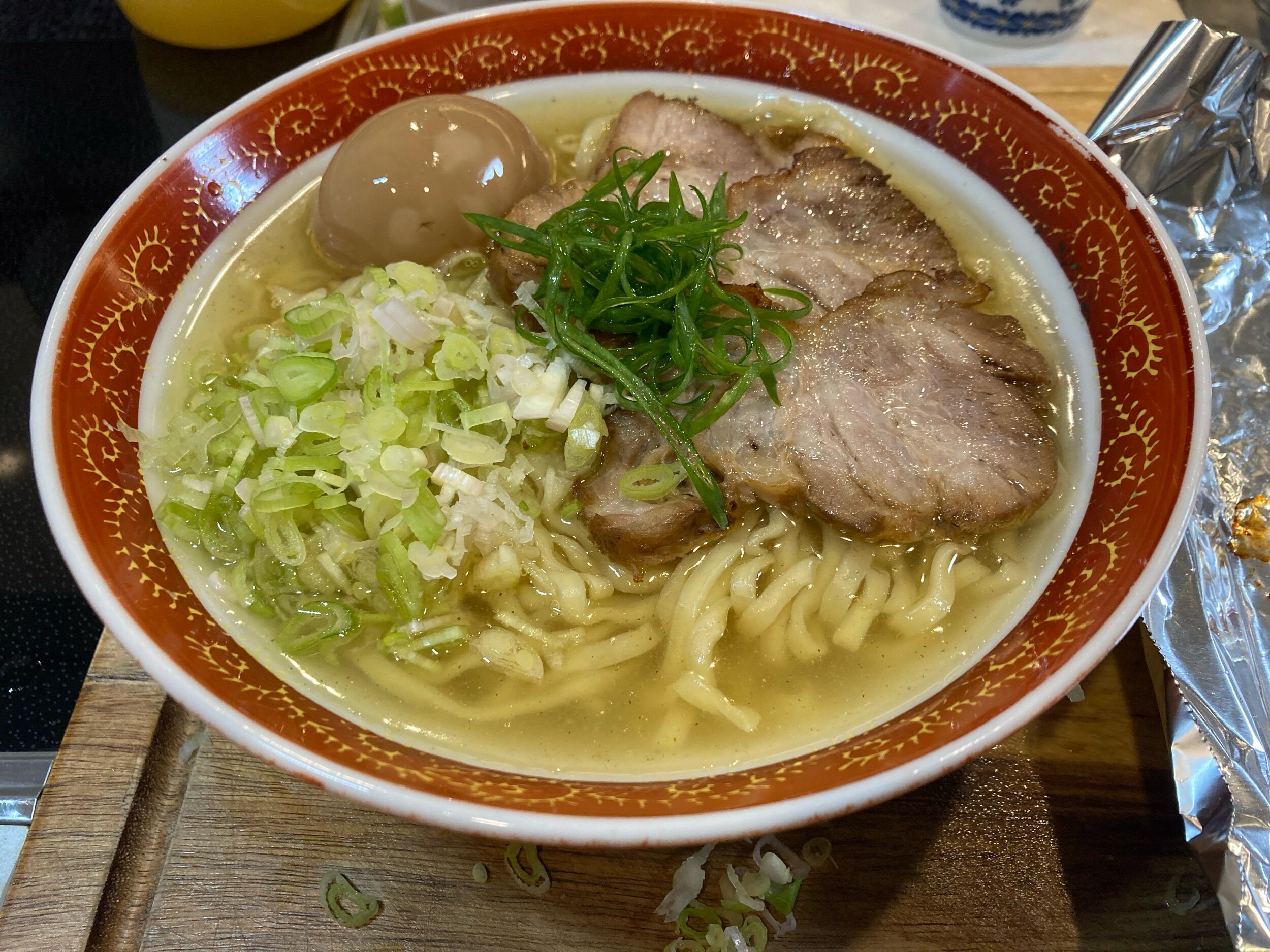
Let me preface that this recipe is a work in progress and will most likely be changed and amended over time. The focus here is clearly on the tare, which even with modifications has worked in many different broths and combinations for me now. This is essentially a good all purpose shio tare, best combined with broths which can stand on their own and just need a bit of lift to really shine.
But let’s first take a look at all the bowls that led me to this current recipe.
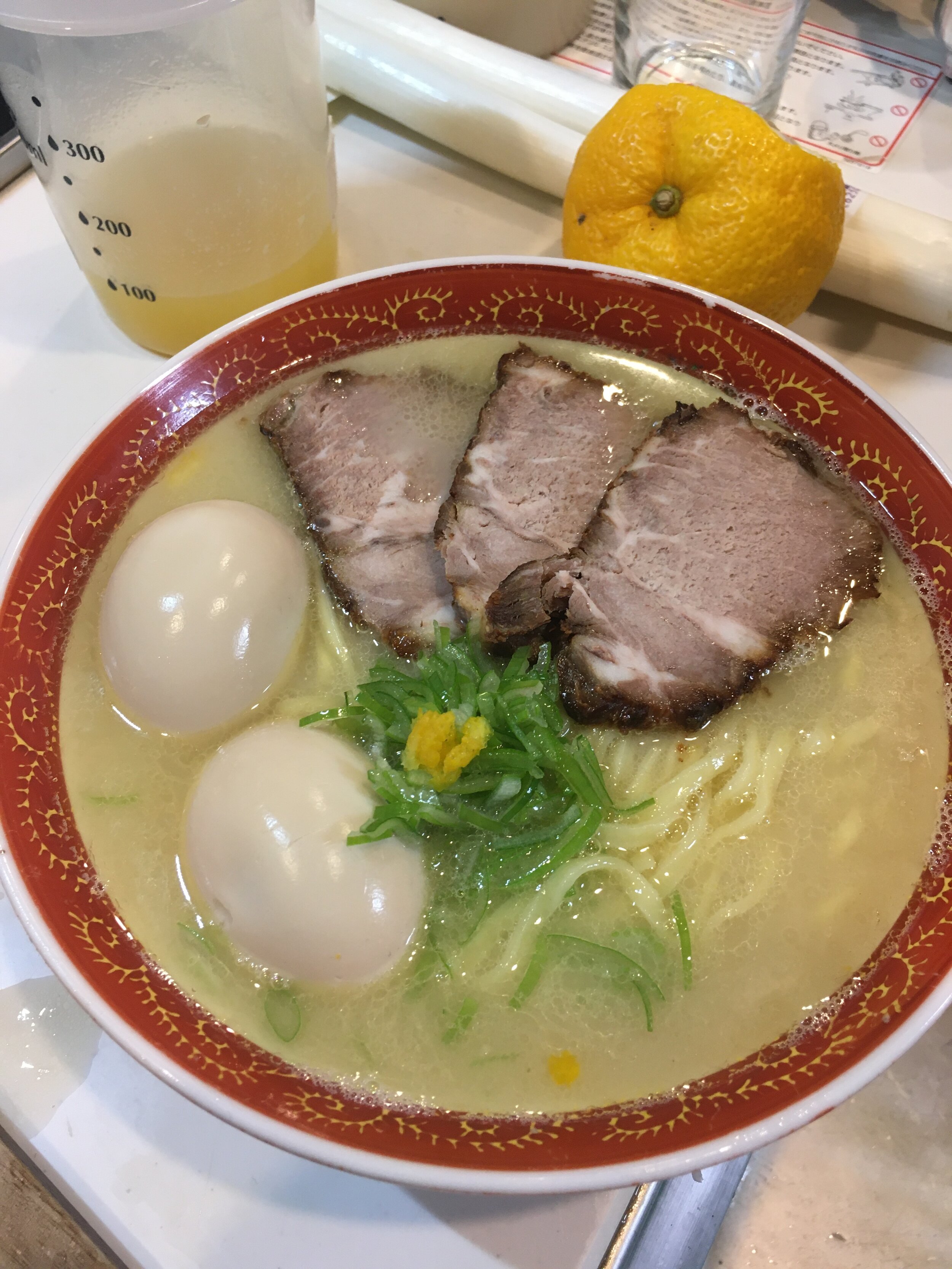
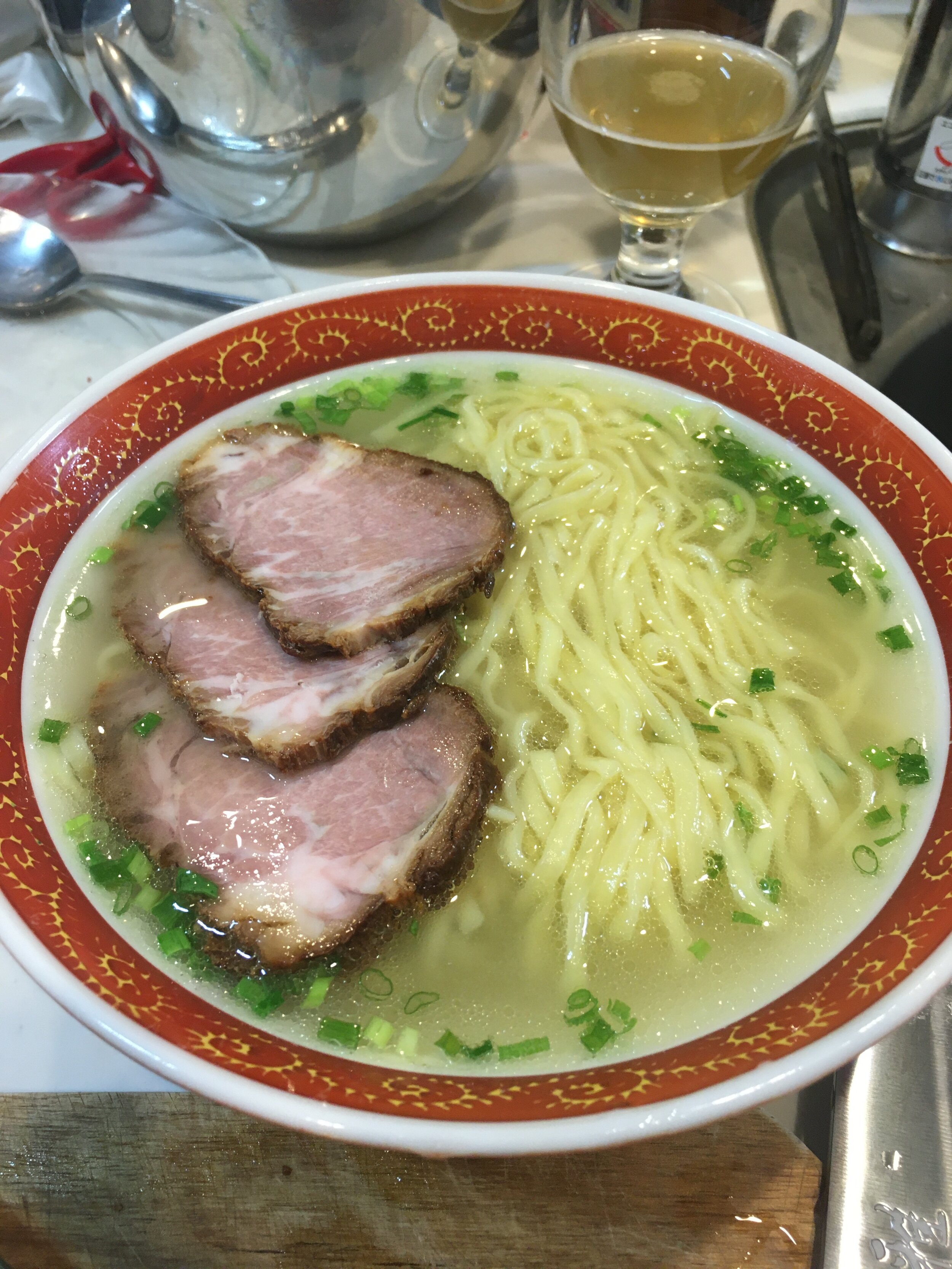
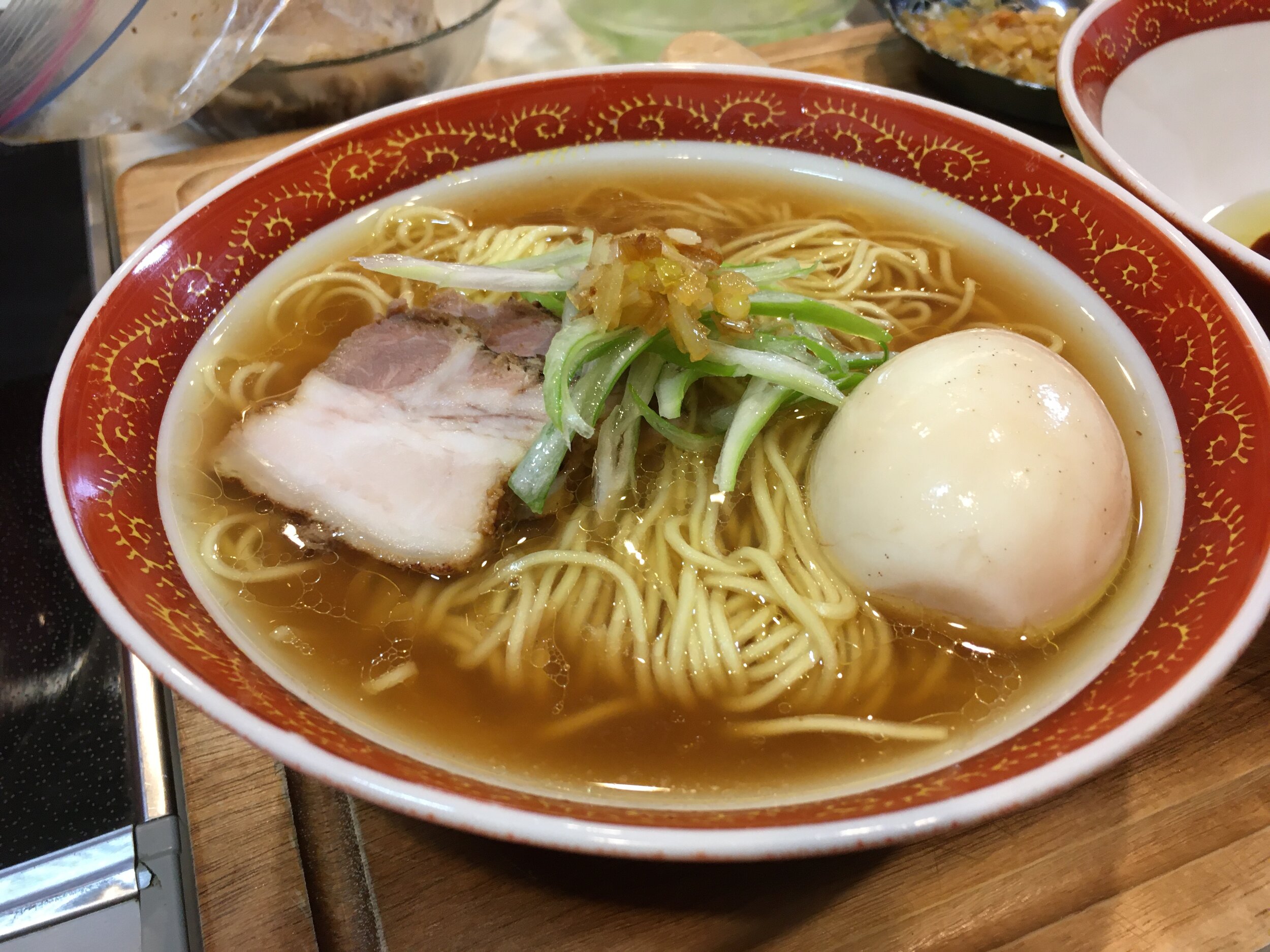
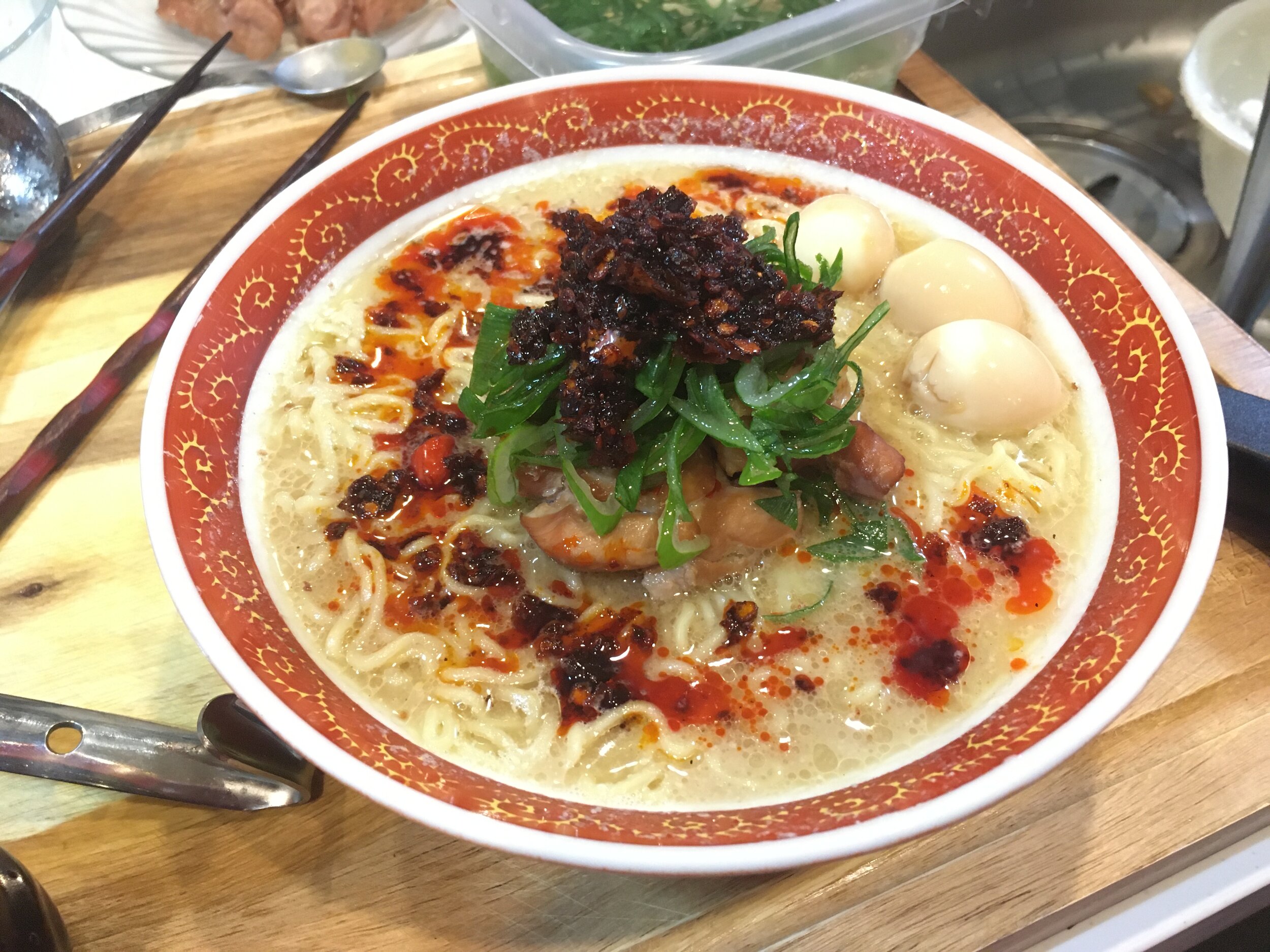
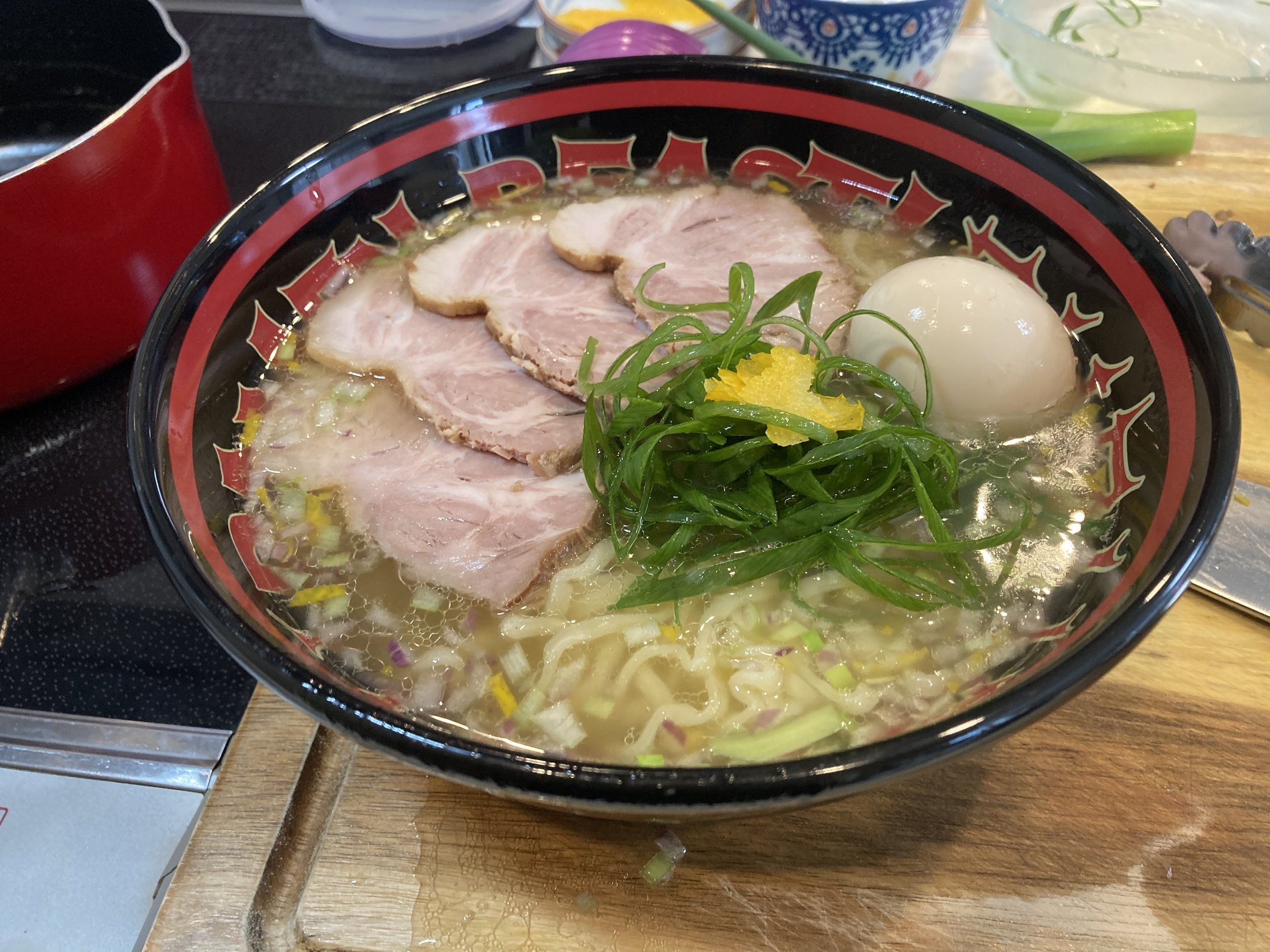
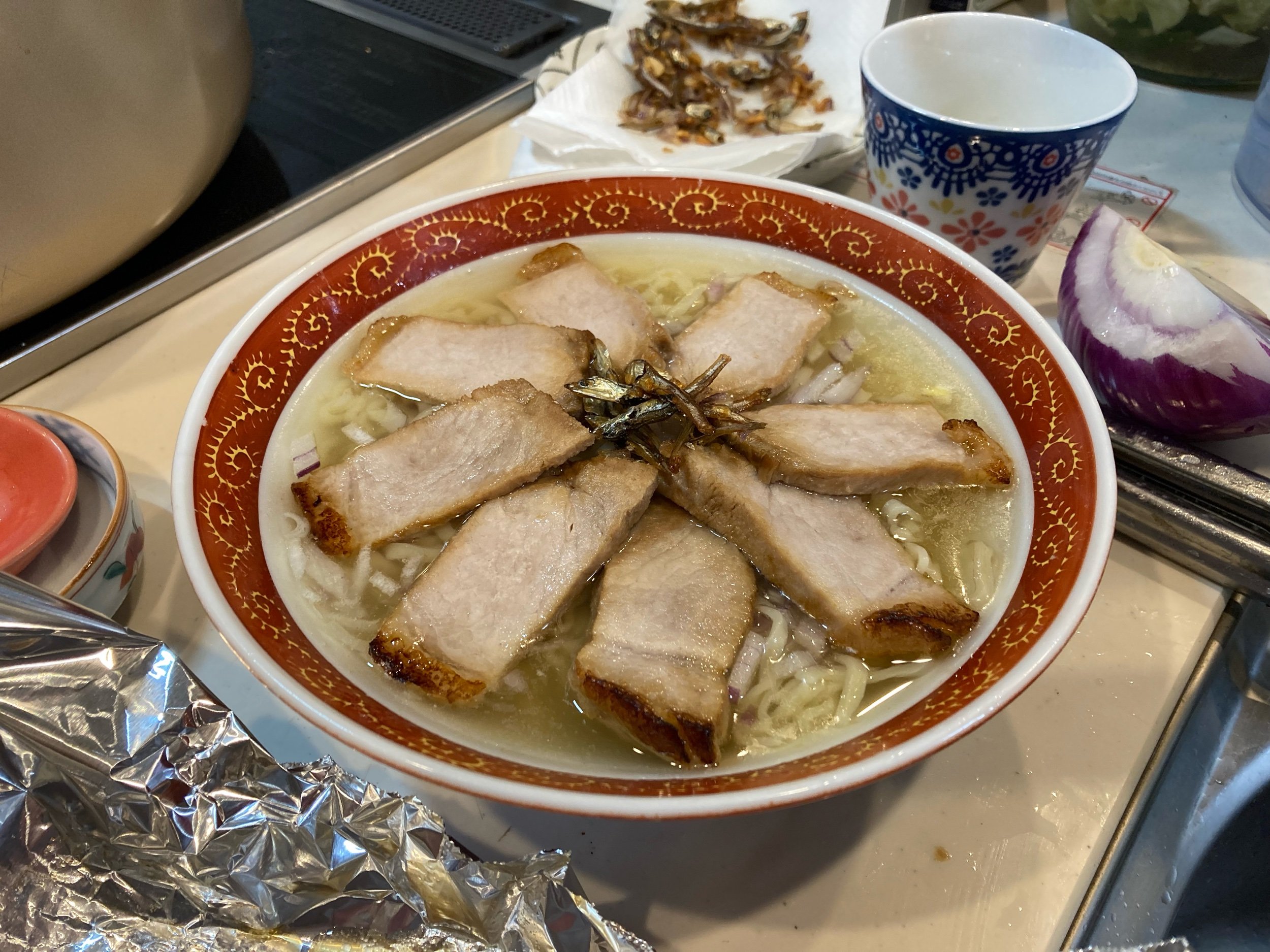
The shio ramen experimental bowls
Making ramen, or rather learning how to make ramen, is very much a “learning by doing” effort, after you have done some essential reading on techniques, ingredients and eating ramen bowls in restaurants, preferably in Japan.
Even then, you will have to adapt what you make at home based on your kitchen, your equipment, your own cooking skill and the ingredients available to you. Since I am living in Japan, I am in the fortunate situation that I can get whatever ramen ingredient I want for reasonable prices. That might not be true for you.
Below you will find some variants of shio ramen with all kinds of different broths. These include pure chicken broths, chicken/pork mix soups, pure pork, pure fish and chicken/fish double soups. Both in chintan (clear broth) as well as paitan (creamy/cloudy broth) versions. Personally, I think this tare works best with chicken + x broths, like chicken and madai (seabream) double soups or chicken/pork mix soups. However, it is very versatile and also works fine in paitans.
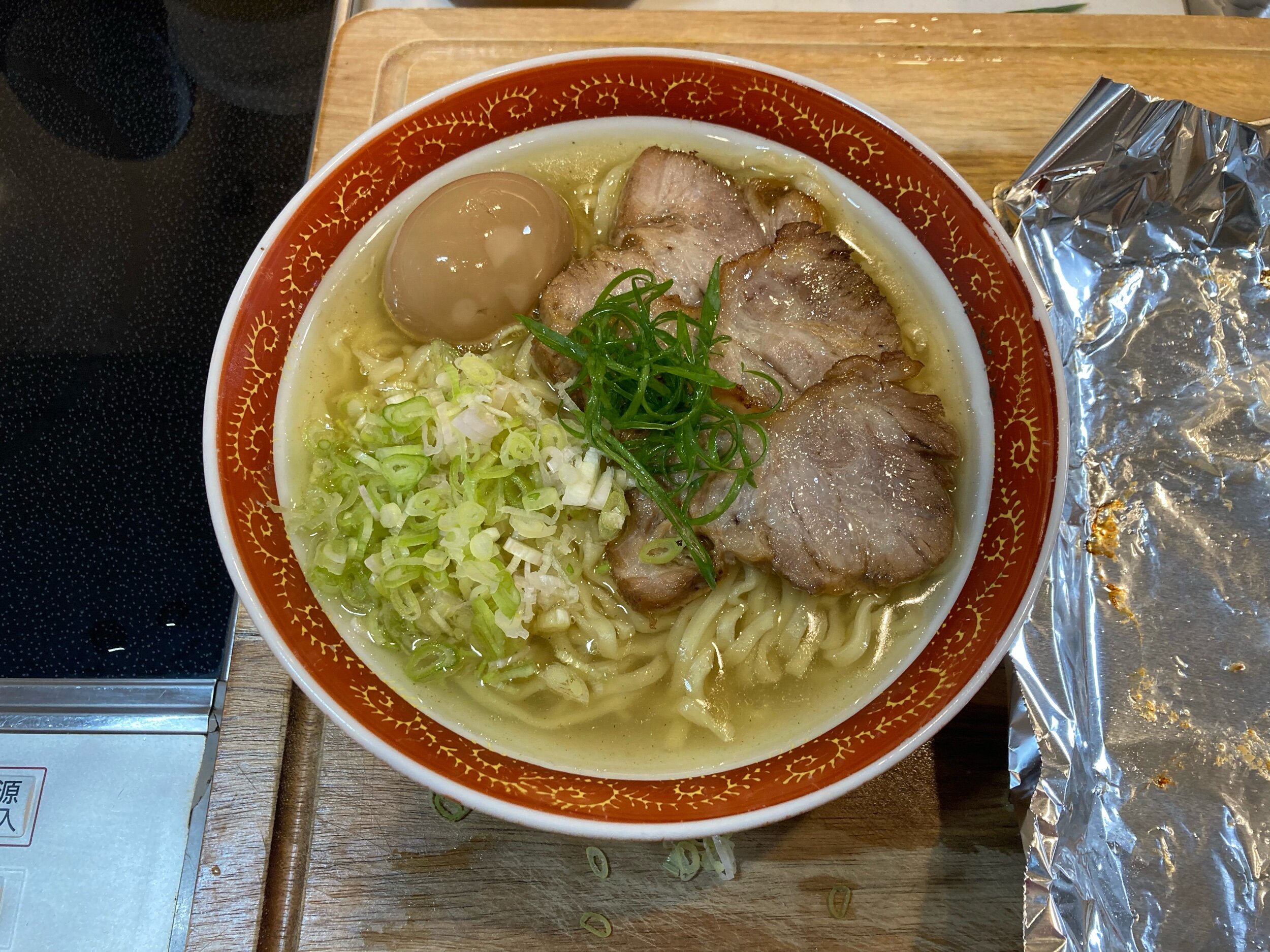
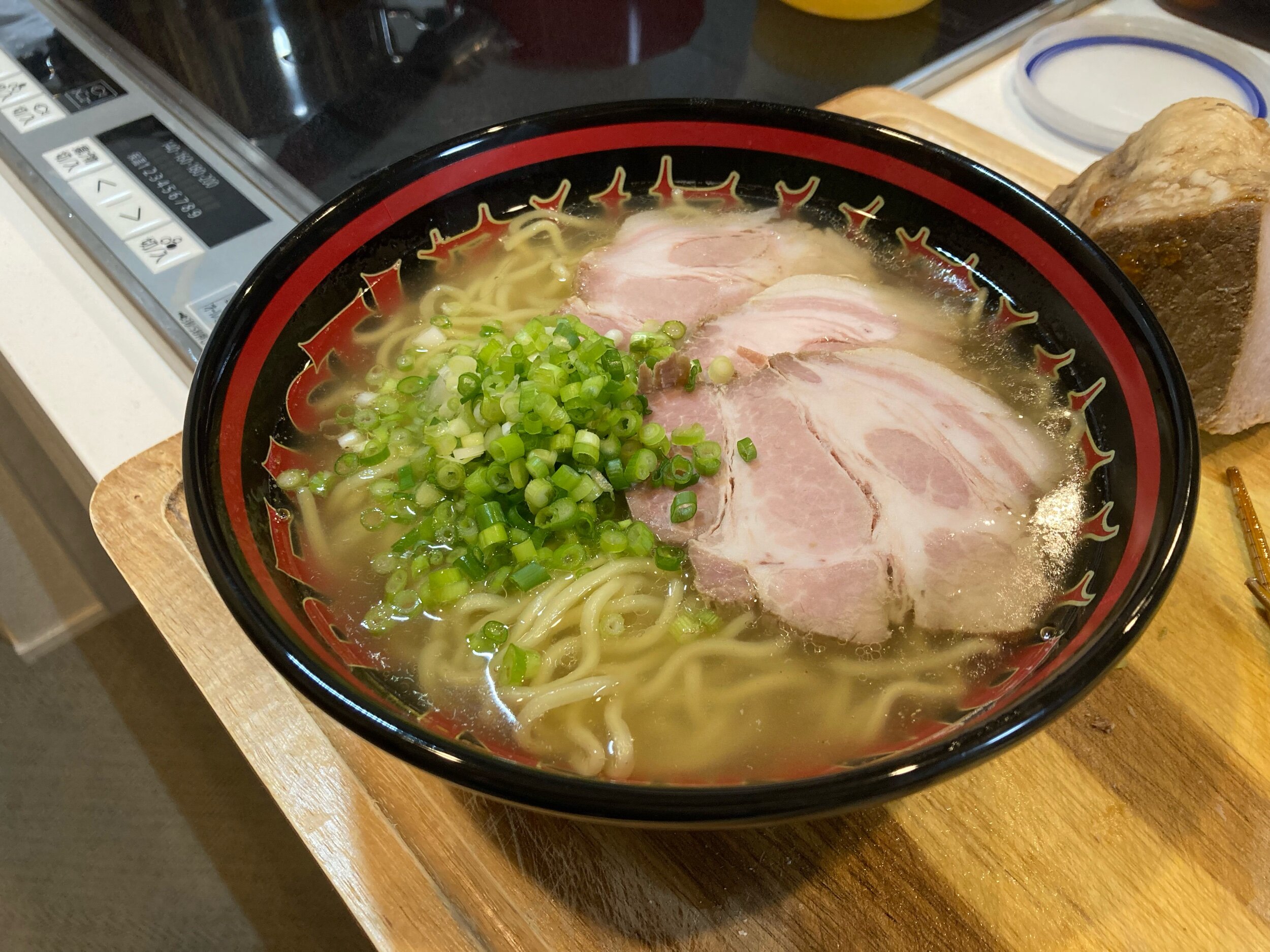
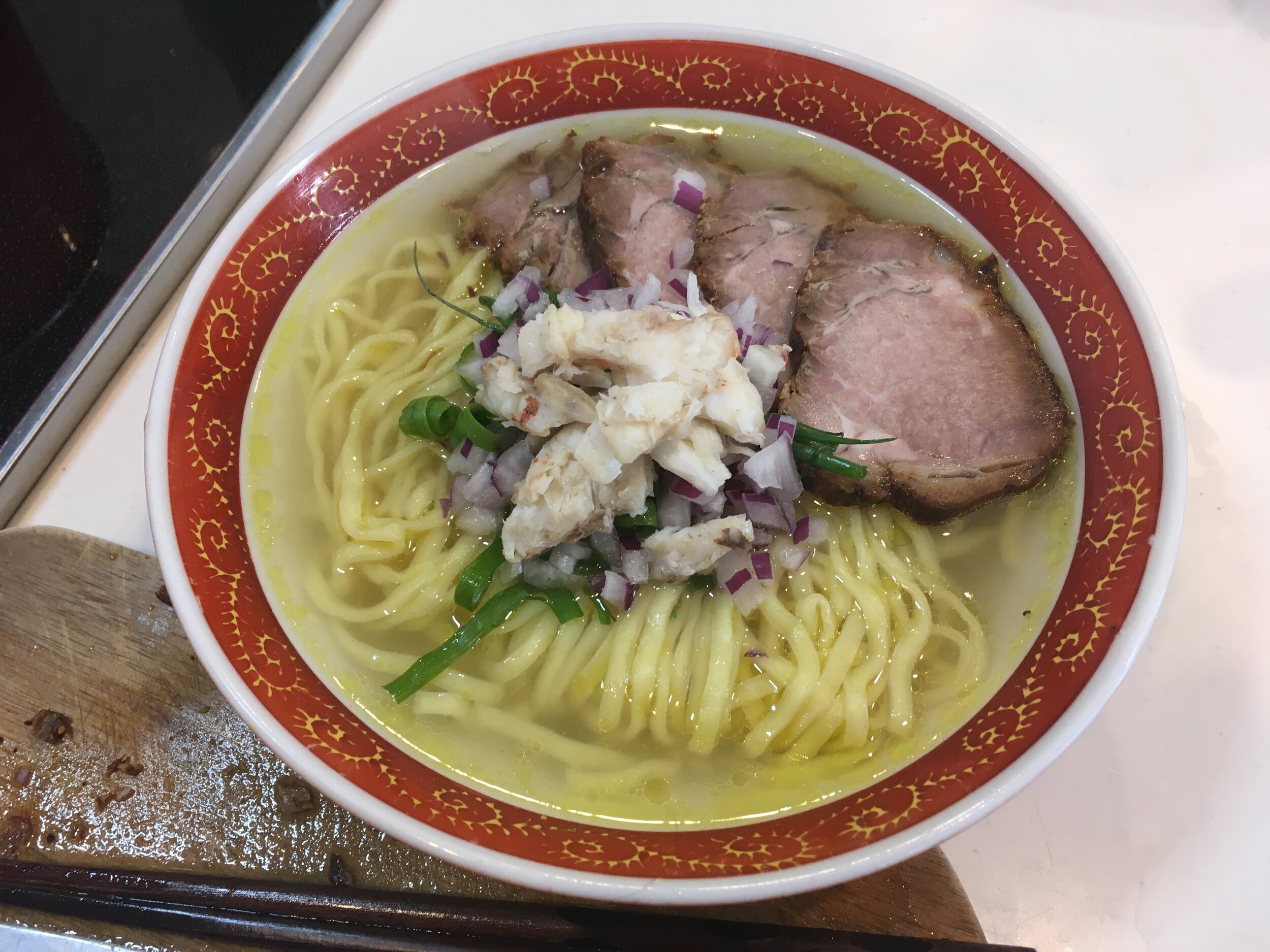
The shio tare recipe
Instructions
This shio tare is a dashi based tare, which means you need to soak some dried components in water for at least 10-12 hours, better 24 hours. Then salt and other components get added, low heat turned on, kombu removed latest at 60°C or when first steam is visible. Then everything gets slowly heated close to boiling point for a second. Heat gets turned off and the mix is allowed to cool down before straining. In this case, we are also adding katsuoboshi after the boiling point.
Detailed step by step instructions are below.
Ingredients
The dashi
- 250ml of water
- 5 grams of kombu
- a hand full of niboshi
- 1-2 dried scallop
Additional ingredients
- 75ml of mirin
- 75 grams of salt
- 5ml of rice vinegar (or white vinegar or apple cider vinegar)
- 5 grams or a handful of katsuobushi (the thin cut sprinkle kind)
Step by step instructions
- Fill all dashi components into a small container and put in the fridge for 24 hours.
- After 24 hours, fill into pot. Add the rest of the ingredients.
- Start heating on low heat.
- When temperature reaches 60°C, remove kombu. If no kitchen thermometer available, latest when you see the first steam rising.
- Increase to medium heat and let the mixture come to a boil once. Then turn off heat. Add katsuobushi after heat is turned off.
- Let everything cool down naturally. Then strain through cheese cloth or similar fine mesh.
- Store in fridge. Can be used at least for several months, but probably much longer.
- Use 20ml of tare with 250ml of broth, when making ramen with this shio tare.
Shio tare recipe variations
The above recipe is not set in stone. I like to play around with it and add or replace components as seasonal ingredients become available. One of the issues you might face is the availability of ingredients like kombu, niboshi or dried scallops. While they of course give some flavor component to the tare, their main objective is to boost the “umami” of the shio tare seasoning. If you can’t find them, my recommendation would be to add msg, which should be easy enough to find these days. For every component you cannot find, I would add 3-4 grams of msg to the mix.
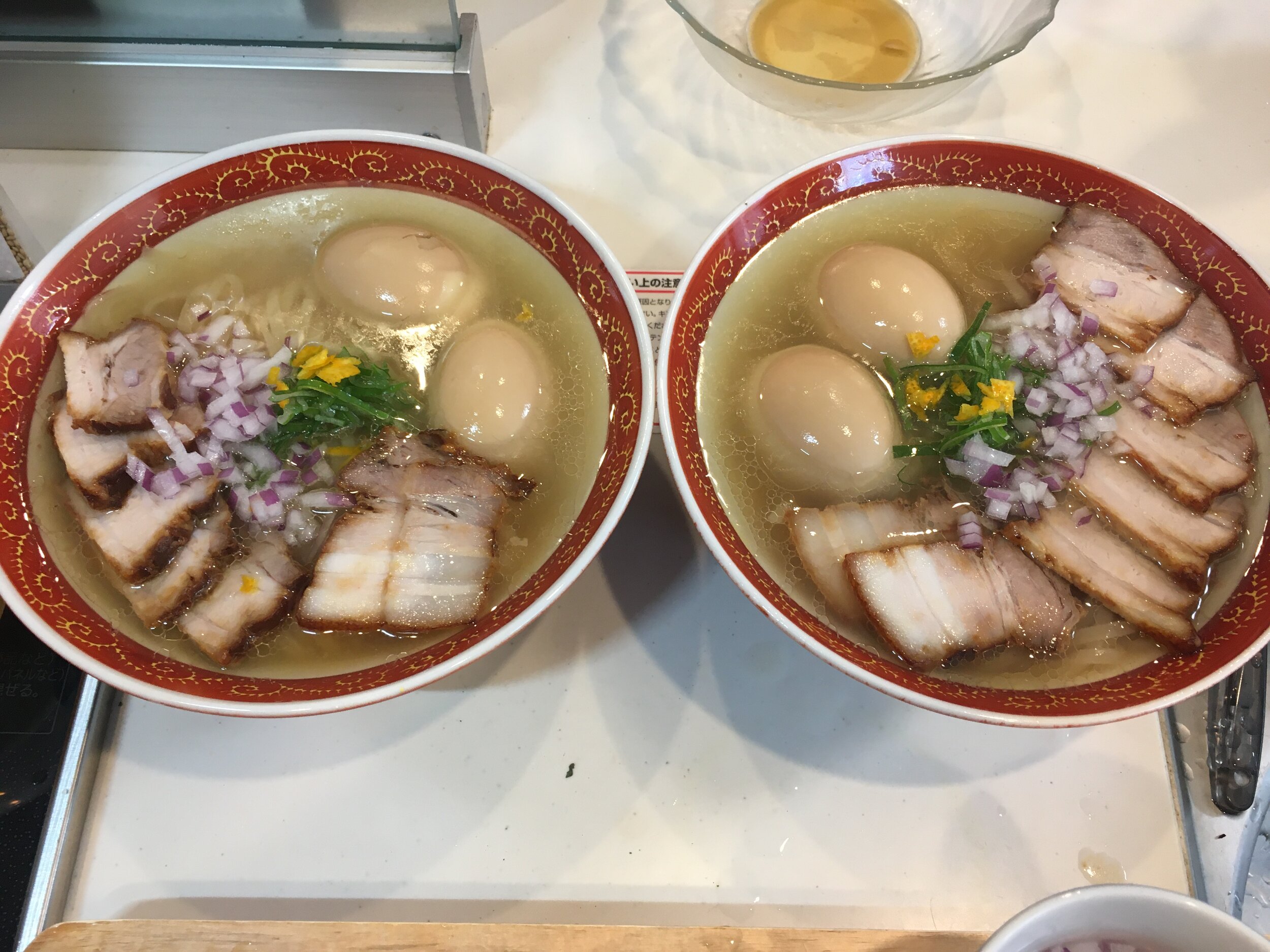
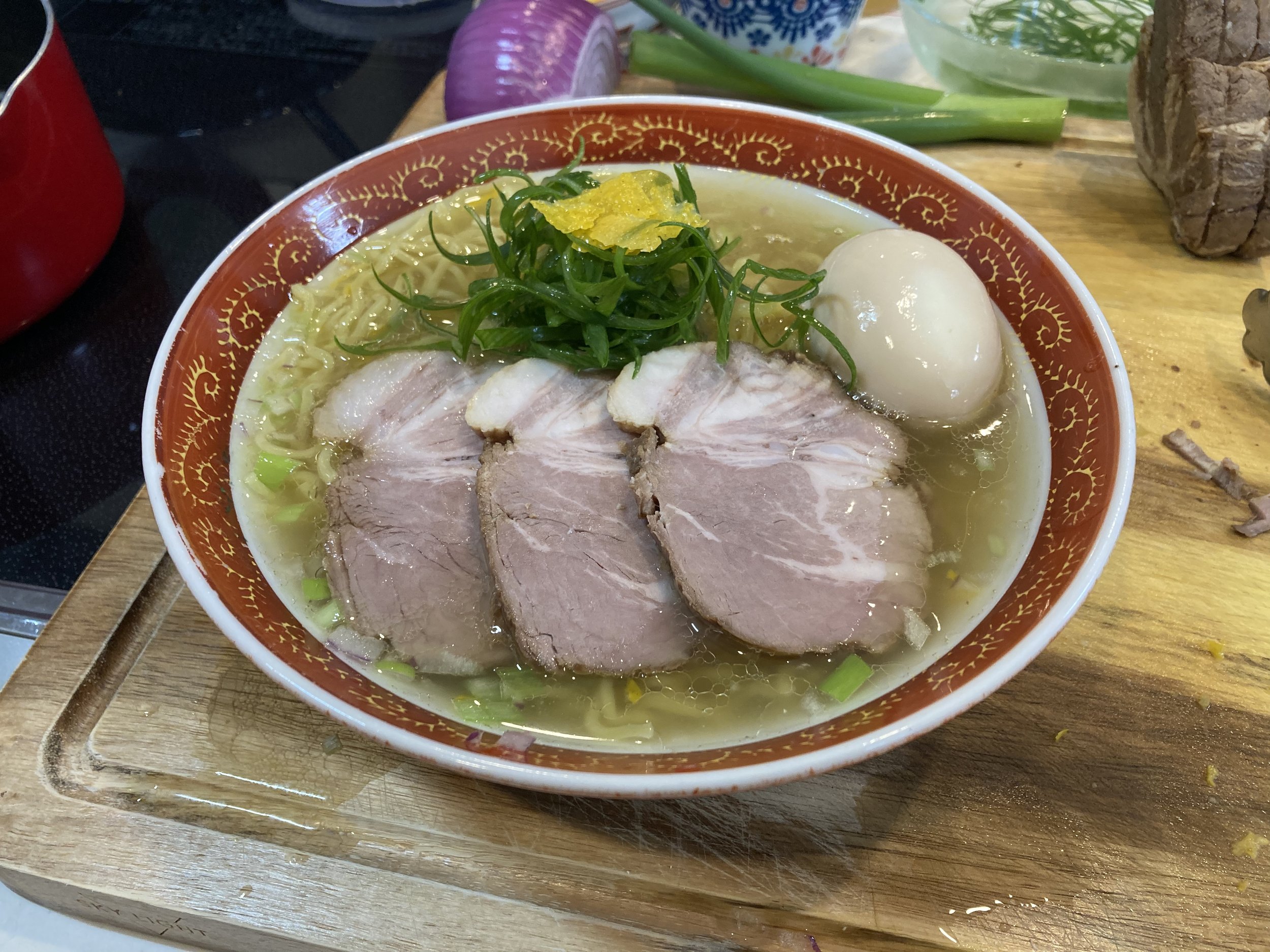
Looking at seasonal ingredients, for example for a yuzu shio tare I replaced the vinegar with fresh yuzu juice and added the peel of one whole yuzu to the tare when I added the salt. I further added some peel at the point of making the bowl, freshly peeling it, chopping and squeezing it a bit, then adding to the bottom of the bowl together with the tare and aroma oil, before the soup gets filled in. I further added some more peel as garnish.
The tare and the bowl can be modified in similar ways with other citrus as well. Just give it a try and let me know about the results!
Below you will find two examples for my yuzu shio tare ramen:
I have questions! I need help to make this!
If you have questions on how to make this shio tare recipe or on how to make ramen in general, feel free to message me directly on Instagram @namajapantv or ask the great folks on the Ramen Network Discord.
More shio tare recipes
Below I would like to share some more shio tare recipes with you
- Shio ramen tare by Scott Lachapelle of Pickerel
- Ingredients
- 750 grams reduced mirin
- 1.6 kilograms reduced sake
- 300 grams shiro shoyu
- 35 grams shiitake mushrooms
- 80 grams ma kombu
- 35 grams dried flying fish
- 35 grams atsukezuri
- 730 grams sea salt
- 5 grams cider vinegar - Instructions
In a nonreactive container, combine mirin, sake, shoyu, mushrooms, kombu, and 1 kilogram water. Refrigerate overnight. The next day, transfer mixture to a saucepan over medium heat and cook until mixture reaches 140°F. Maintain temperature 30 minutes. Using a slotted spoon, remove and discard kombu and mushrooms. Cook until mixture reaches 176°F, then add flying fish and atsukezuri. Remove from heat and let steep 1 hour. Strain, then slowly whisk in salt and vinegar. Transfer to an airtight container and refrigerate.
- 750 grams reduced mirin
- Ingredients